
Two Paths to Non-Dual Wisdom: Ancient Indian Perspectives on Reality
Published: Fri Jun 12 2026
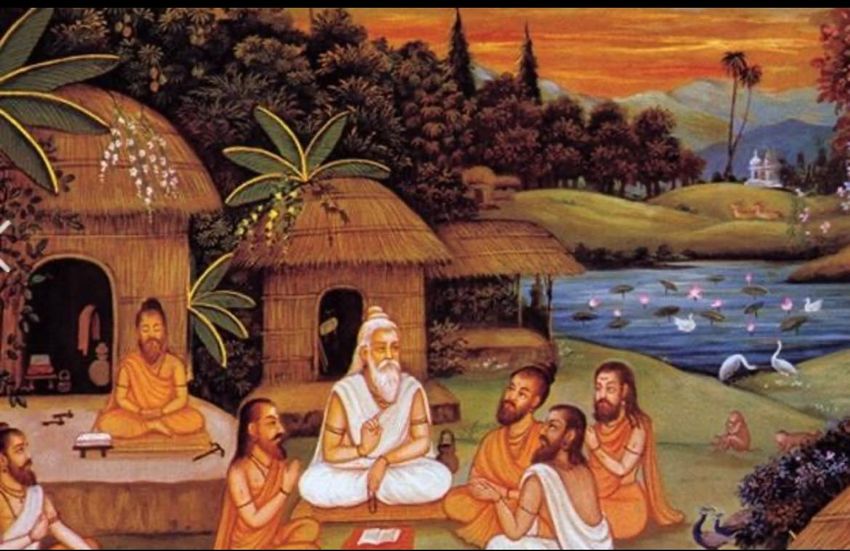
India's spiritual heritage contains many paths that explore the nature of consciousness and the ultimate reality behind existence. Among these, two influential streams of thought have shaped generations of seekers: the path of non-dual philosophy and the path of sacred energy and transformation.
While both traditions point toward the experience of oneness, they approach the journey in different ways.
The Search for Ultimate Reality
At the heart of many Indian spiritual traditions lies a fundamental question:
What is the true nature of reality?
Non-dual philosophical traditions teach that behind the changing world exists an unchanging, eternal consciousness. The ultimate goal is to recognize this timeless reality beyond all appearances.
Other traditions emphasize that consciousness and creative energy are inseparable aspects of the same reality. From this perspective, the universe is not separate from the sacred but an expression of it.
Both approaches seek the same truth, yet they invite the seeker to experience it through different lenses.
Is the World an Illusion or an Expression?
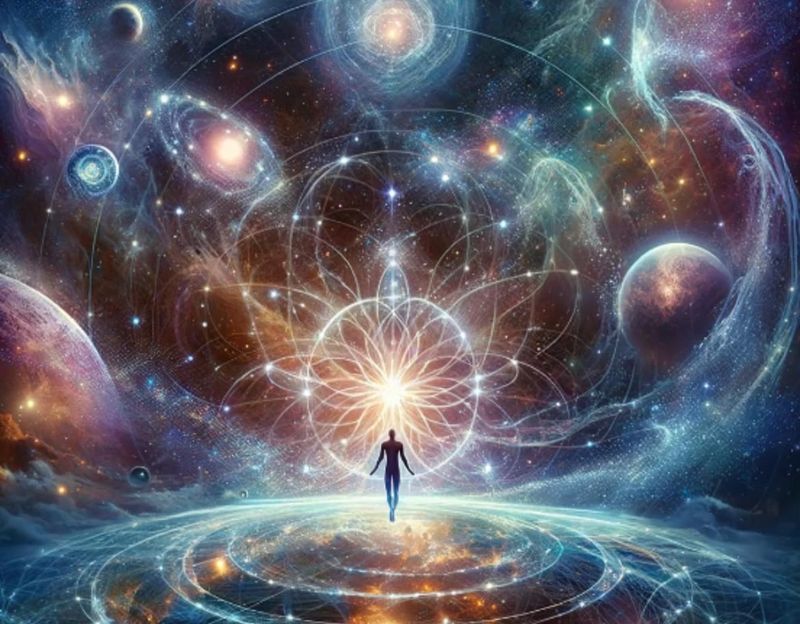
One of the most fascinating discussions within Indian philosophy concerns the nature of the world itself.
Some schools emphasize transcending identification with the changing world in order to discover the eternal reality beyond it.
Others view the world as a living expression of consciousness—a sacred manifestation that can become a doorway to spiritual realization.
In this perspective, nature, relationships, creativity, and daily life are not obstacles to spiritual growth but opportunities for deeper awareness.
The Role of the Body in Spiritual Practice

Different traditions have also approached the human body in different ways.
Some teachings place primary emphasis on inquiry, contemplation, and direct knowledge of the Self.
Others regard the body as a sacred instrument for transformation.
These traditions developed sophisticated practices involving:
breath awareness
meditation
sound practices
energy cultivation
symbolic ritual
focused attention
The body is viewed not merely as a temporary vehicle but as a living field through which consciousness can be explored and refined.
Knowledge and Experience
Spiritual traditions throughout India have always valued both wisdom and experience.
Some paths focus on:
self-inquiry
contemplation
philosophical understanding
direct recognition of awareness
Other paths emphasize:
meditation
mantra
ritual discipline
energetic awakening
devotional practices
Ultimately, both seek transformation—not simply intellectual understanding, but lived realization.
A Shared Goal

Despite their differences, these traditions share a common aspiration:
freedom from limitation
deeper self-awareness
expanded consciousness
inner peace
realization of one's true nature
Their methods may vary, but their destination points toward a profound understanding of existence and the relationship between the individual and the universal.
Ancient Wisdom for Modern Seekers
Today, people around the world are rediscovering these timeless teachings not as abstract philosophies, but as practical tools for navigating modern life.
Whether through contemplation, meditation, ritual practice, breathwork, or self-inquiry, these traditions continue to offer pathways toward clarity, balance, and inner transformation.
Their enduring relevance lies in a simple truth:
The search for meaning, awareness, and inner freedom is as important today as it was thousands of years ago.